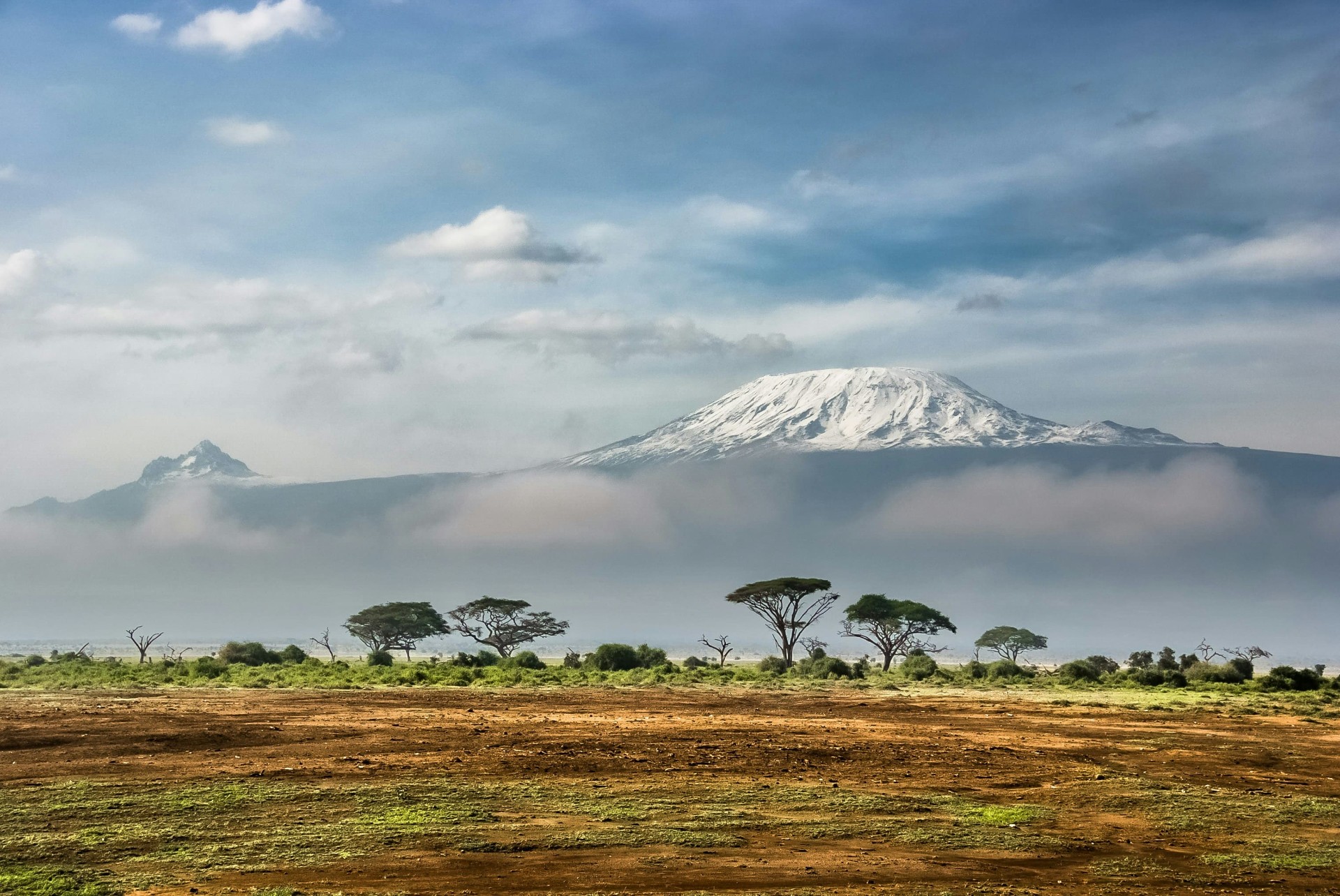
At 5,895 metres, Kilimanjaro is the highest free-standing mountain in the world and the highest point in Africa. Unlike most peaks of its size, it doesn't require ropes, technical skills, or previous mountaineering experience — it is a long, high walk. But do not underestimate it. Roughly one in three climbers fails to reach Uhuru Peak, almost always because of altitude. Success comes down to three things: choosing the right route, walking slowly enough to acclimatise, and being reasonably fit before you arrive.
Choosing your route
Machame (6–7 days) is the most popular route — scenic, well-supported, and with good acclimatisation on the 7-day version. Lemosho (7–8 days) is our top recommendation for most travellers: the longest acclimatisation profile, the most varied scenery, and higher summit success rates. Marangu (5–6 days) uses huts instead of tents and is the cheapest, but the fast profile gives it one of the lowest summit success rates — we generally advise against it. Rongai (6–7 days) approaches from the drier north and is a good choice in the wet season. Northern Circuit (8–9 days) is the longest, quietest, and has the best acclimatisation of all.
How to prepare
Start training 3–4 months before departure. The best training is hill walking with a loaded daypack — aim to work up to 6–8 hour hikes on consecutive weekends. Add cardio (running, cycling, stair climbing) two or three times a week. If you can, sleep at altitude beforehand — even a few nights above 3,000m helps enormously. Do NOT buy new boots for the mountain; break them in for at least 50 km of walking first.
Altitude and acclimatisation
The single biggest predictor of summit success is how many days you spend on the mountain. Choose a 7-day route over a 6-day route if your budget and time allow — the extra day costs a fraction of your total trip and roughly doubles your summit chance. Drink 3–4 litres of water a day, walk 'pole pole' (slowly), and consider Diamox in consultation with your doctor.
What to expect day by day
Days start early with a warm breakfast in your tent, followed by 4–7 hours of walking through changing ecosystems — rainforest, moorland, alpine desert, and finally arctic summit zone. Camps are set up before you arrive. Meals are surprisingly good. Summit night begins around midnight and involves 6–8 hours of walking in the cold and dark to reach Uhuru Peak at sunrise. It is the hardest thing most people have ever done, and one of the most rewarding.
When to climb
The two dry seasons are best: January–March (colder summit, less crowded, chance of snow) and June–October (warmest and busiest). Avoid the long rains of April–May. All our climbs use experienced Tanzanian mountain guides, ethical porter treatment (KPAP-partner standards), and proper high-altitude medical kits including a pulse oximeter and portable oxygen.
Ready to plan your journey?
Let us design a Tanzania journey around your ideas.