Tanzania is a year-round destination, but each season shapes the landscape, the wildlife, and the mood of your trip very differently. Understanding the rhythm of the seasons is the single most useful thing you can do before choosing dates — it affects what you see, how much you pay, and how crowded the parks feel.
June – October: Classic Dry Season
These are the busiest and most popular months for a reason. Vegetation thins, water sources shrink, and wildlife concentrates around the remaining rivers and waterholes — which makes game viewing spectacular. Skies are clear, mornings are cool, and afternoons are warm but rarely humid. This is the best window for the Northern Circuit (Serengeti, Ngorongoro, Tarangire, Lake Manyara) and the ideal season for climbing Kilimanjaro. It also overlaps with the famous Mara River crossings in the northern Serengeti, typically peaking July through early October. Book 6–9 months ahead — the top camps sell out.
November – December: Short Rains
Brief afternoon showers refresh the plains and turn the bush a vivid green. Migratory birds arrive from Europe and Asia. Crowds thin dramatically after early November before picking up again around Christmas. Wildlife is still excellent, roads remain passable, and lodge rates drop meaningfully — a great sweet spot for value travellers who don't mind an occasional rain shower.
January – February: Calving Season
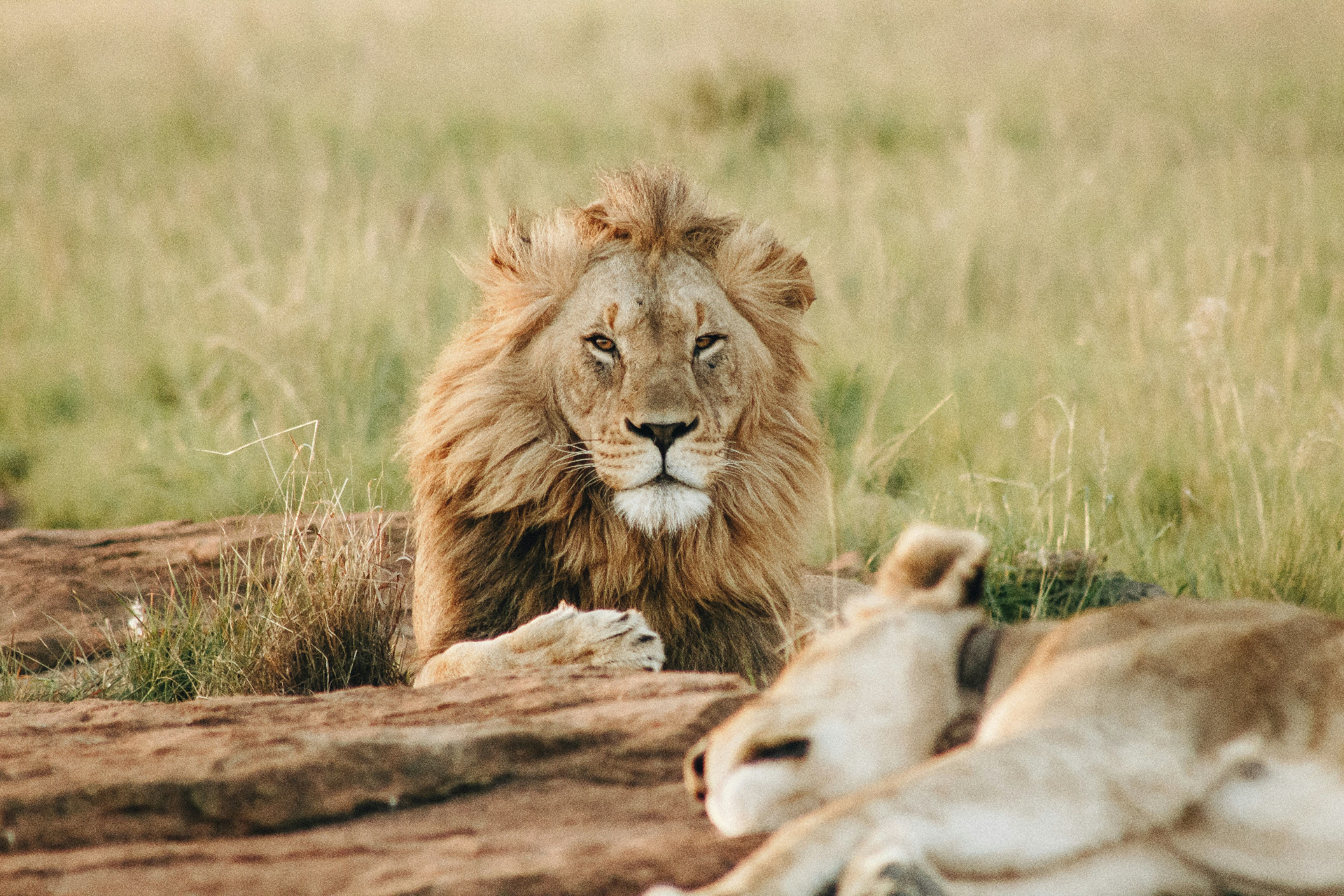
The wildebeest herds settle on the short-grass plains of the southern Serengeti and Ndutu, and roughly half a million calves are born in a matter of weeks. Predator action is at its peak — lions, cheetahs, and hyenas follow the herds. Weather is warm and mostly dry between short rain bursts. This is arguably the best time of year for big-cat photography and one of the great wildlife spectacles on earth.
March – May: Long Rains
The greenest and quietest months. Landscapes are dramatic, skies are moody, and photographers love the light. Some remote camps close and a few roads become tricky, but the Northern Circuit stays open and rates are at their lowest. Not the right season for a first-time classic safari, but a wonderful time for return travellers who want the parks nearly to themselves.
Zanzibar and the coast
Zanzibar follows a slightly different pattern. June to October and December to February are ideal for beach time — warm, dry, and sunny. April and May bring the heaviest rains and many beach hotels close briefly. If you're combining a safari with the coast, aim for June–October or January–February for the most reliable weather on both legs.
Ready to plan your journey?
Let us design a Tanzania journey around your ideas.